

What Causes Concurrent Dry Skin, Eyes and Dry Mouth?
28th Jun 2023
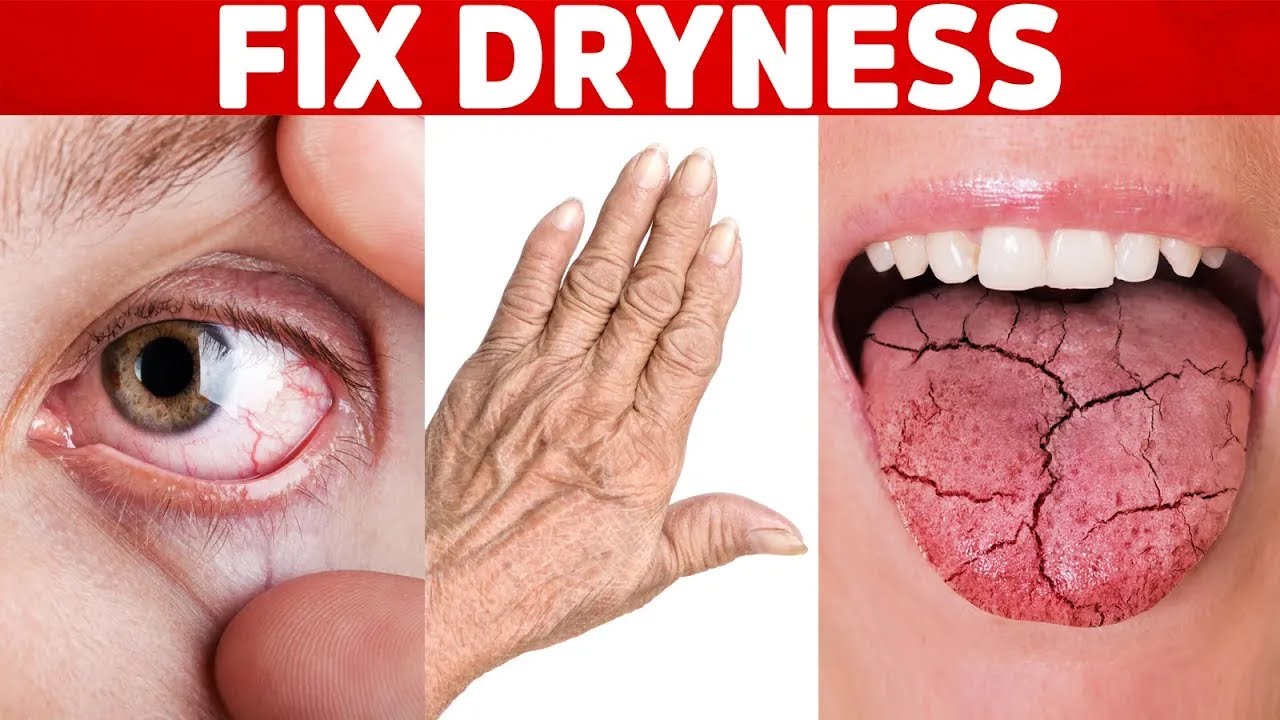
Dry Skin:
 +
+
When skin loses water too quickly, it becomes dry. This can happen for many reasons.
Everyday things, such as using deodorant soaps and harsh cleaning products, can strip oils and fats from our skin. Taking long, hot showers can also dry your skin. Living in a cold, dry place dries the skin, too.
You can often heal dry skin by making some changes, which includes moisturizing several times a day.
When the skin continues to lose water and cannot heal itself, skin can become excessively dry. Age, certain medications, and disease can also cause skin to become excessively dry.
Top causes of dry skin:
• Alcohol (consumption or used topically in creams)
• Petroleum products
• Certain medications
• Diabetes
• Mineral oil
• Autoimmune conditions
• City water (consumption or used topically)
• Excessive use of soap or detergents
• Gut issues
• Liver issues
• Menopause
Remedies for dry skin:
- Moisturize regularly: Apply a moisturizer suited for your skin type immediately after bathing or washing your face.
- Use a humidifier: Especially in dry environments, a humidifier can add moisture to the air and help keep your skin hydrated.
- Avoid hot water: Use lukewarm water for showers and baths to prevent further drying of the skin.
- Choose gentle products: Opt for mild, fragrance-free cleansers and skincare products that won't strip away natural oils.
- Stay hydrated: Drink an adequate amount of water throughout the day to maintain hydration from within.
Dry Eyes:
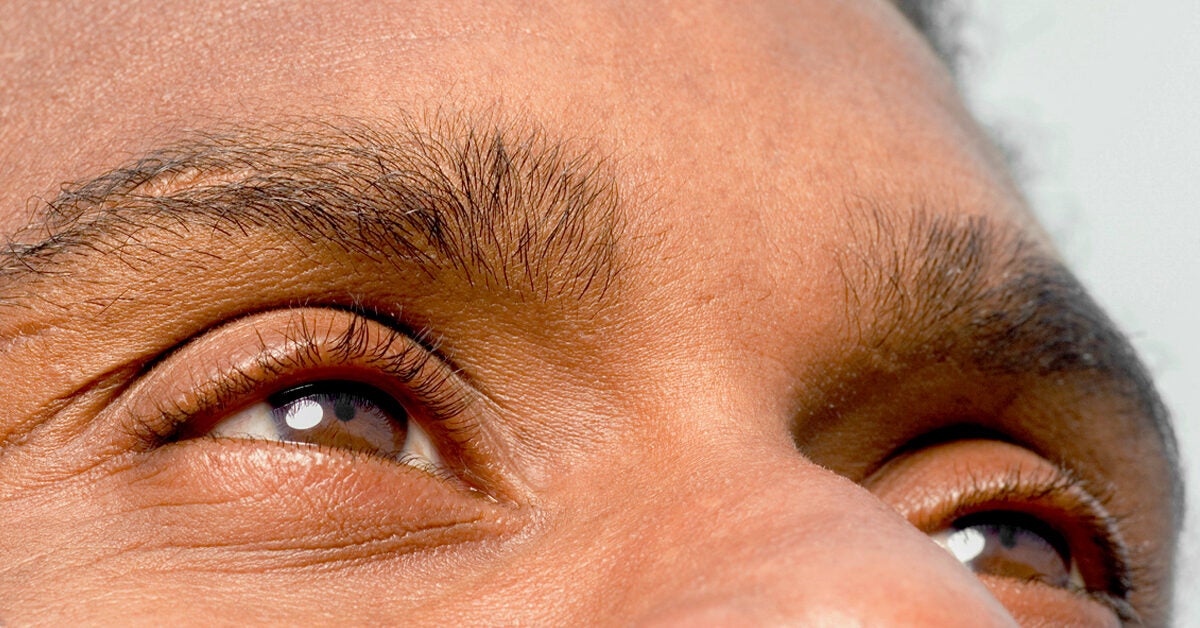
Dry eye disease is a common condition that occurs when your tears aren't able to provide adequate lubrication for your eyes. Tears can be inadequate and unstable for many reasons. For example, dry eyes may occur if you don't produce enough tears or if you produce poor-quality tears. This tear instability leads to inflammation and damage of the eye's surface.
Dry eyes feel uncomfortable. If you have dry eyes, your eyes may sting or burn. You may experience dry eyes in certain situations, such as on an airplane, in an air-conditioned room, while riding a bike or after looking at a computer screen for a few hours.
Top causes of dry eyes:
• Vitamin A deficiency
• Gallbladder problems or lack of bile
• A lack of the active form of a vitamin A (retinol) in the diet
• A lack of friendly microbes
Remedies for dry eyes:
- Use artificial tears: Lubricating eye drops can provide temporary relief and help moisten the eyes.
- Take breaks from screens: If you spend long periods on screens, take regular breaks to rest your eyes.
- Protect your eyes: Wear sunglasses or protective eyewear outdoors to shield your eyes from wind and dust.
- Use a humidifier: Adding moisture to the air with a humidifier can help alleviate dryness.
- Consult an eye doctor: If dry eyes persist or worsen, it's advisable to see an eye care professional for a comprehensive evaluation.
Dry Mouth:
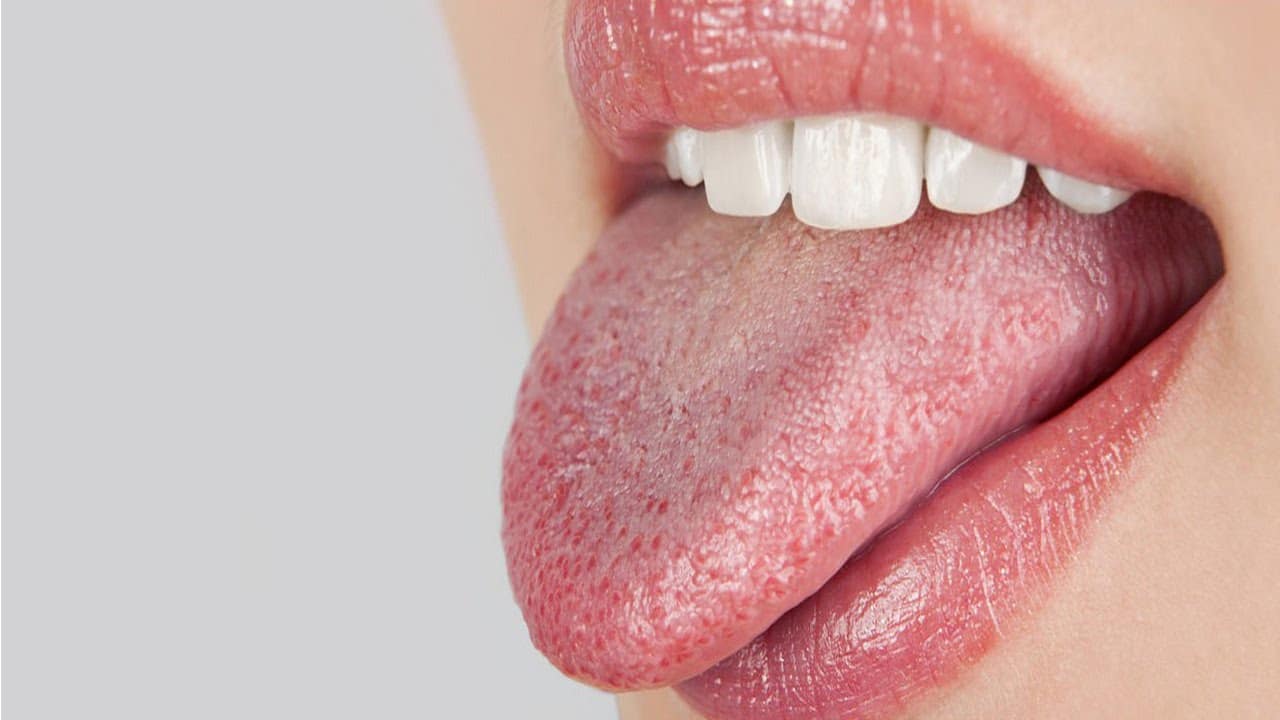
Dry mouth can be due to certain health conditions, such as diabetes, stroke, yeast infection (thrush) in your mouth or Alzheimer's disease, or due to autoimmune diseases, such as Sjogren's syndrome or HIV/AIDS. Snoring and breathing with your mouth open also can contribute to dry mouth. Tobacco and alcohol use.
Top causes of dry mouth:
• Saliva deficiency
• Antibiotics
• Stress
• COVID
• A deficiency of zinc
• Alcohol
• Fluoride
• High-carb diets
Remedies for dry mouth:
- Stay hydrated: Drink plenty of water throughout the day to maintain moisture in the mouth.
- Avoid drying substances: Limit or avoid alcohol, caffeine, and tobacco, as they can contribute to dryness.
- Use saliva substitutes: Over-the-counter saliva substitutes can help provide temporary relief.
- Chewing sugarless gum or sucking on sugarless candies: This can stimulate saliva production.
- Practice good oral hygiene: Brush and floss regularly to maintain oral health and prevent complications.
RECOMMENDED PRODUCTS: